







Search Results for: Classic Coffee Varieties
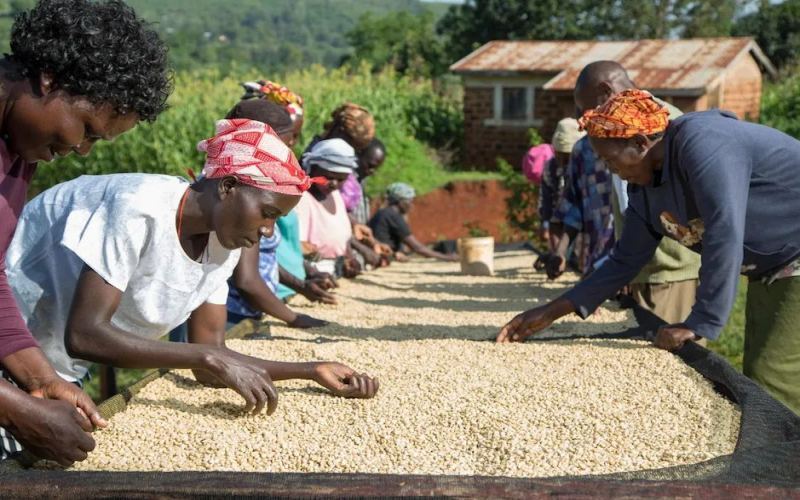
Where does the classic flavor of Kenyan SL28 and SL34 come from? Is Ruiru a coffee variety?
Kenyan coffee is renowned worldwide for its bright, uplifting fruit acidity and full, rich, juicy body, and SL28 and SL34 are the core varieties that shape this classic style. These two varieties, bred by the Scott Laboratories, have become stars of the specialty coffee world thanks to their complex flavors of dark plum, citrus, and stone fruit. However, their vulnerability to leaf rust and coffee berry disease gave rise to the later, more disease-resistant Ruiru 11 and Batian. This article will systematically trace the evolution of Kenyan coffee varieties—from their origins and flavor characteristics to cultivation performance and current market status—and answer the question of whether Ruiru is a coffee variety. [more…]
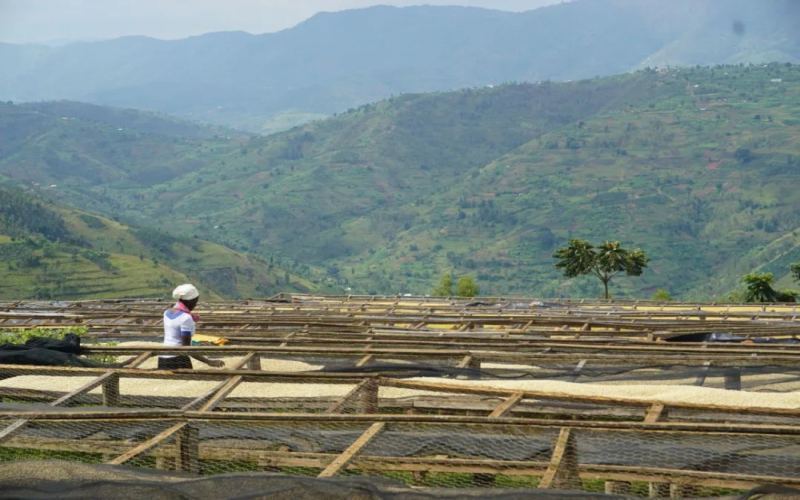
Is Yirgacheffe actually Robusta or Arabica? Front Street Coffee takes you through the varieties and flavors of Ethiopia's classic washed coffee region.
Ethiopia, as the natural gene bank of Arabica, has nurtured ancient heirloom varieties with diverse flavors and complex genetics, and Yirgacheffe is one of the most representative producing regions among them. Many people mistakenly believe that Yirgacheffe is a coffee variety, but in fact it is just a small town located on the eastern edge of the East African Rift Valley. So, does Yirgacheffe actually belong to Robusta or Arabica? And how does its washed processing achieve the signature citrus-lemon acidity and jasmine aroma? Front Street will take you through variety tracing, producing region geography, processing method evolution, and brewing practice to comprehensively explain the ins and outs of this classic washed coffee, and share Front Street's brewing parameters and flavor performance for the Gedingding Cooperative. [more…]
A Beginner's Guide to Coffee Varieties: Arabica Classification, Characteristics of Classic Varieties, and the History of Improvement
Want to understand where the variety system of the coffee world comes from? Starting from biological classification, this article systematically sorts out the origin and spread of the Arabica species, and analyzes one by one the bean shape characteristics, flavor performance, disease resistance, and cultivation conditions of classic varieties such as Typica, Bourbon, Caturra, Mundo Novo, and Catuai, while also tracing the history of variety improvement in coffee-producing countries around goals such as high yield, dwarfing, resistance to leaf rust, and shortening the harvest cycle. The article particularly presents Front Street Coffee's continued attention to the flavor value of traditional varieties, helping coffee enthusiasts build a clearer framework in variety awareness and flavor selection. [more…]
New to Coffee? How to Choose Beans: Flavor Profiles and Brewing Tips for Three Classic Black Coffee Varieties
Those new to coffee tasting are often overwhelmed by the dazzling array of bean varieties and flavor descriptions, unsure where to begin. In fact, beginners can start with beans from regions known for their distinctive flavors—such as Brazilian beans representing the Americas, Mandheling representing Asian growing regions, and Kenyan beans representing Africa. These three beans differ markedly in style, helping you quickly build an understanding of coffee flavors. This article focuses on these three classic black coffee beans, detailing their origins, roast levels, suitable brewing methods, and respective flavor characteristics, along with specific Front Street product recommendations, offering beginners a practical guide to choosing beans. [more…]
An Overview of the Origins of the 90+ Coffee Brand and Its Classic Series: A Comprehensive Interpretation from the Ninety Plus Philosophy to Its Signature Bean Varieties
90+ Coffee is often mentioned in specialty coffee circles, but what exactly does it represent? This article traces the brand's origins, founder Joseph Brodsky's bean-hunting journey in Ethiopia, and the exclusive Profile Processing system, explaining how Ninety Plus set an industry benchmark with 13 top-tier flavor series. It also lists classic lots such as Hachira, Nectar, Lotus, Candlelight, and Dancheman, and reminds readers to view brand premiums rationally, with quality as the final criterion. The article retains Front Street brand recommendations and product information, making it suitable for enthusiasts who want to gain a deeper understanding of 90+ Coffee. [more…]
Beginner's Guide to Black Coffee Tasting: Flavor Characteristics of Three Major Producing Regions and Analysis of Classic Coffee Varieties
For enthusiasts who have just stepped into the world of coffee tasting, building flavor perception can start with coffees from distinctive producing regions. Coffees from the three major regions of the Americas, Asia, and Africa each have their own signature flavors, and several classic coffee beans under the Front Street Coffee brand happen to represent the typical characteristics of these regions. This article will focus on three entry-level coffees from Brazil, Mandheling, and Kenya to help readers quickly build an understanding of regional flavors, and further introduce the regional information, roast levels, suitable brewing methods, and flavor characteristics of three classic black coffees: Indonesian Mandheling, Kenyan Little Tomato, and Costa Rican Tarrazu, providing practical reference for everyday purchasing and tasting. [more…]
Coffee Encyclopedia: A Complete Analysis of Global Coffee Bean Species Classification, Major Producing Regions, and the Flavor Characteristics of Classic Bean Varieties
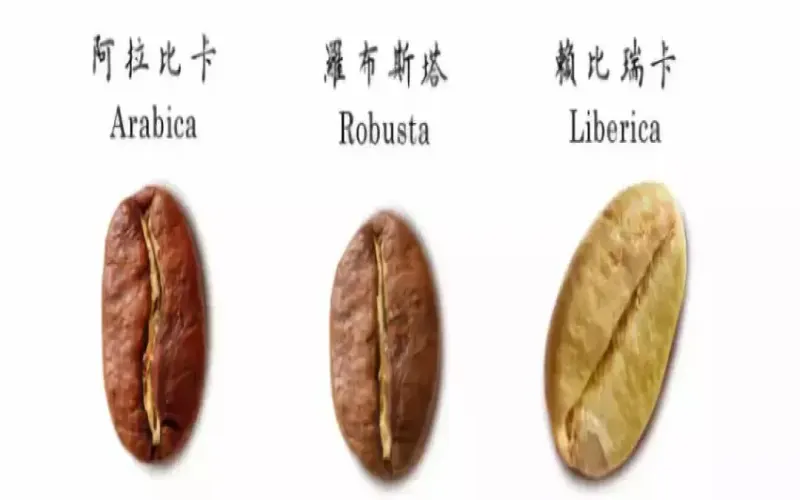
The world of coffee beans is far richer than we might imagine. From the three botanical original species—Arabica, Robusta, and Liberica—to dozens of origins across Latin America, Africa, the Middle East, and Asia-Pacific, and on to classic single-origin beans such as Blue Mountain, Mandheling, and Mocha, every bean carries the imprint of its terroir and craftsmanship. This article systematically sorts through the original species classification of coffee beans, the world's major producing regions, and representative bean varieties, and explains in detail the taste characteristics and roasting suggestions of famous coffee beans. Whether you are a beginner enthusiast or a seasoned player, this guide can help you understand the cup of coffee in your hands more clearly. If you want to put it into practice, you can follow Front Street Coffee's related product recommendations. [more…]
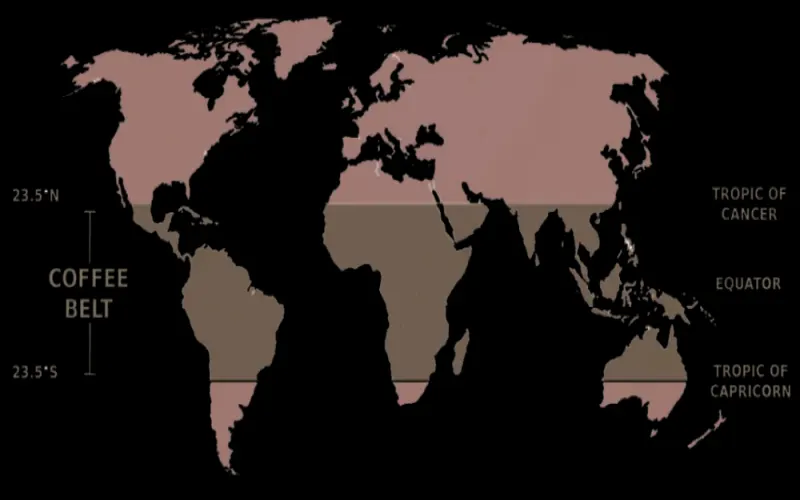
A Complete Analysis of Varieties and Flavors from the World's Three Major Coffee Regions: Classic Coffee Bean Characteristics from Latin America to Africa to Asia-Pacific
The flavors of coffee are endlessly varied, and to a large extent depend on the region where it is grown. The world's three major coffee-producing regions—Latin America, Africa, and Asia/Pacific—each cultivate coffee beans with distinctly different styles. Latin American coffee is dominated by cocoa and nutty notes, with a balanced body and mild acidity; African coffee showcases bright acidity with citrus and floral notes, refreshing and pleasant; Asia-Pacific coffee brings herbal and spicy notes, rich and full-bodied. This article will analyze the flavor characteristics of each region one by one, and recommend representative classic coffee beans from the Front Street Coffee brand, helping coffee enthusiasts more systematically understand the taste differences among different origins and find the cup that suits their own palate. [more…]
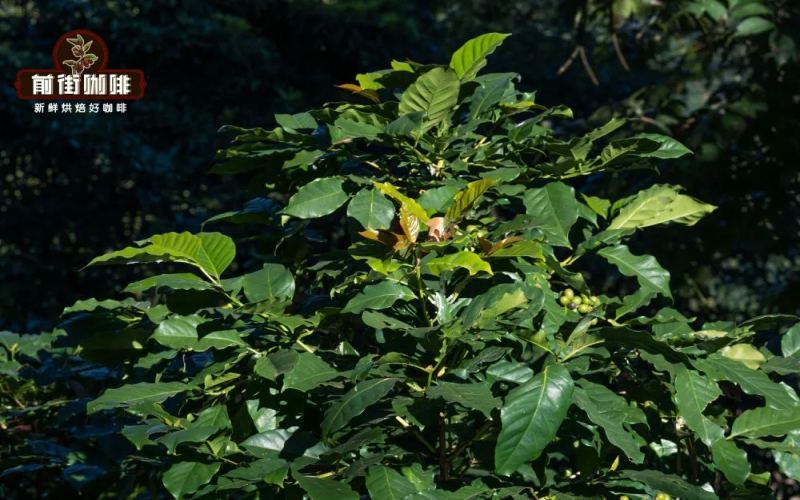
What are the characteristics of the branch spacing of the Typica coffee tree? Where exactly is the place of origin of this classic variety?
Typica is one of the oldest and most representative varieties of Arabica coffee. It not only has an elegant flavor but also quite distinctive physical characteristics, which has attracted many coffee enthusiasts to delve into its origins and traits. This article will introduce Typica in terms of its origin, the derivation of its scientific name, plant morphology, cup profile, and growing conditions. It will also discuss the cultivation challenges posed by its weak disease resistance, and why Jamaican Blue Mountain Typica has been able to evolve better disease resistance and consistent quality under its specific terroir. [more…]
A Comparison of Two Classic Arabica Varieties: The Origins and Flavor Differences of Typica and Bourbon Coffee Beans
Many people think black coffee is inherently bitter, but those who truly understand specialty coffee will tell you that bitterness comes in two kinds: the pleasant kind and the kind that makes you frown. Similar to wine tasting, the first step to getting into specialty coffee is understanding coffee varieties. Typica and Bourbon are the two most core branches under the Arabica species—one is known for its pure sweetness, the other for its bright fruity acidity—and their respective spread trajectories and mutant families have profoundly shaped the landscape of today's global coffee-producing regions. This article will follow the historical threads of these two major varieties, sorting through the characteristics of varieties and regions such as Red Bourbon, Caturra, Java, Yirgacheffe, and Sidamo, to help coffee enthusiasts build a clearer tasting framework. [more…]
The Three Classic Varieties of Arabica Coffee: The Origins, Characteristics, and Spread of Typica, Bourbon, and Geisha
The coffee world is home to a vast array of varieties, but the true foundation supporting specialty coffee comes mainly from the Arabica species. Among these, Typica and Bourbon stand as the two most genetically important sources, with many of today's common varieties having evolved from them; Geisha, meanwhile, rose to global fame thanks to its stunning performance at Hacienda La Esmeralda in Panama, making the journey from the forests of Ethiopia to the world stage. This article focuses on these three varieties, outlining their botanical characteristics, historical spread, and current cultivation distribution, while drawing on representative beans from Front Street Coffee to help coffee lovers gain a more systematic understanding of where the flavors in their cup come from. [more…]
A Buying Guide to the Top Ten Popular Specialty Coffee Bean Varieties: A Comprehensive Analysis from Origin and Processing Method to Flavor Characteristics
Whether you're choosing coffee beans as a gift or for yourself, it's essential to understand the flavors and best uses of different varieties. This article rounds up ten mainstream specialty coffee beans, covering Ethiopian natural, Costa Rican black honey, Brazilian semi-washed, Indonesian wet-hulled, and a range of espresso blends and single-origin options. Each bean listing includes the specific Front Street Coffee product, flavor description, and the type of drinker it suits—so whether you prefer bright fruity acidity, a rich syrupy sweetness, or nutty chocolate notes, you'll find a match. The content also covers different brewing methods such as pour-over, espresso machine, moka pot, and cold brew, helping coffee lovers zero in on their taste preferences and make a confident purchase with no regrets. [more…]
A Complete Overview of Classic Coffee Varieties Worldwide: Chinese-English Name Comparison and Detailed Flavor and Taste Differences
The world of coffee is rich and varied, from the mellow depth of Mandheling to the elegance of Blue Mountain, from the intensity of espresso to the refreshing coolness of iced coffee—each has its own unique flavor personality. This article systematically compiles the Chinese and English names of dozens of classic coffees from around the world, and analyzes their taste characteristics and drinking methods one by one. Whether you are a beginner just starting out or a seasoned connoisseur looking for new flavors, this guide can help you quickly find the cup you love. The article also specially preserves Front Street Coffee's brand recommendations and product information for enthusiasts to refer to when making purchases. [more…]
The Past and Present of Kenya's SL28 Coffee Variety and an Analysis of Its Classic Washed Flavor
Among African coffee-producing countries, Kenya stands out with its signature sour plum acidity and bright fruity notes. The unsung heroes behind this flavor profile are the SL28 and SL34 varieties, developed by Scott Laboratories in the last century. From the perspective of Front Street, this article traces the discovery and breeding history of SL28, its Bourbon genetic origins and flavor advantages, as well as its shortcomings in disease resistance. At the same time, drawing on the example of washed beans from the Asaliya processing plant in Kenya's Thika region, we share the brewing performance and tasting impressions of this Front Street Kenya·Little Tomato, helping you understand how variety, terroir, and processing method together shape a cup of Kenyan coffee. [more…]
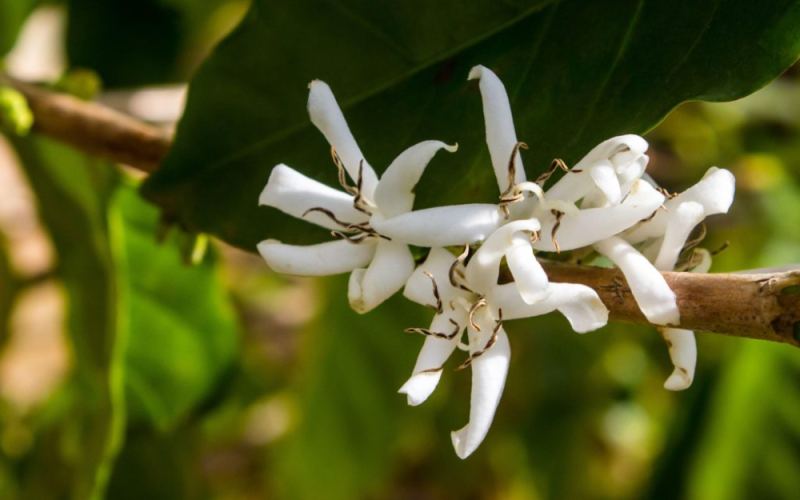
Analyzing the Flavor Differences Between Geisha and Yirgacheffe: A Comparison of Classic Geisha's Core Producing Regions and Varieties
Geisha and Yirgacheffe are both renowned for their floral and fruity acidity, yet their flavor profiles, varietal backgrounds, and cultivation logic are entirely different. Geisha is most classic from Panama's Boquete region, where high-altitude plots like Hacienda La Esmeralda, Elida Estate, and Sofia Estate endow it with intense floral aromas and a full, juicy body; Yirgacheffe, on the other hand, relies on Ethiopian heirloom varieties and washed processing to present jasmine florals and bright citrus acidity. This article systematically sorts out the differences between the two—from terroir and estate characteristics to varietal origins and brewing parameters—and includes bean list information for several Geisha and Yirgacheffe offerings from Front Street Coffee, helping coffee enthusiasts build a clear tasting framework. [more…]
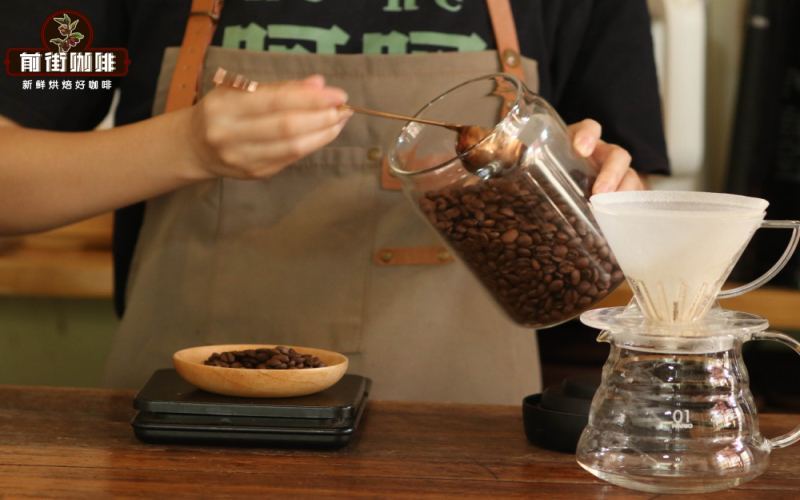
Comparison of Two Classic Coffee Varieties: Typica vs. Bourbon—Flavor Characteristics of Blue Mountain, Colombia, and More, Plus Brewing Parameters Explained
Walking into a café and ordering a pour-over, the barista will often mention the bean's variety and origin. How exactly does coffee variety influence flavor? This article, from the perspective of Front Street Coffee, sorts through the origins and characteristics of two ancient Arabica varieties—Typica and Bourbon—and extends to the terroir, flavor profiles, and brewing suggestions of representative coffees such as Jamaica Blue Mountain and Brazil Cerrado. Whether you are a newcomer to coffee or a seasoned enthusiast, you will gain a clear understanding of varieties and practical brewing references. [more…]
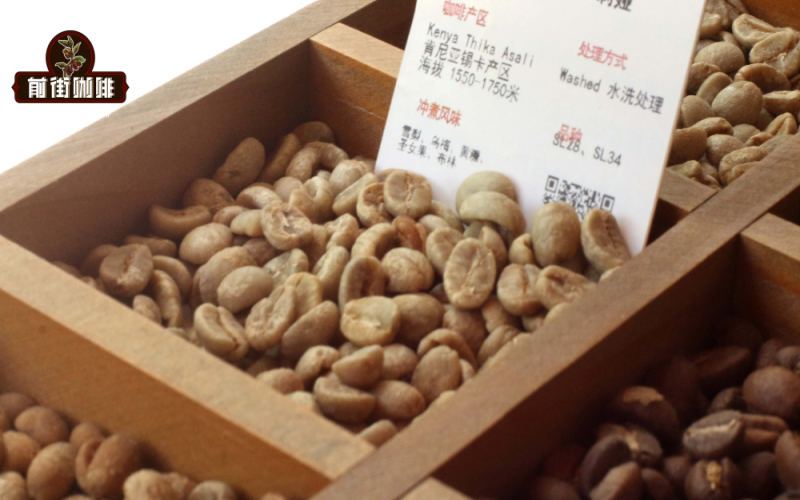
Kenya AA Coffee Bean Selection Guide: A Full Analysis of Classic Flavor Characteristics, K72 Washed Processing, and Brewing Parameters
Kenya is a highland coffee-producing country in East Africa, with the equator crossing its center and an average elevation of about 1,500 meters. Its coffee is world-renowned for its bright berry acidity and clean, sweet taste. From the perspective of Front Street Coffee, this article systematically reviews Kenya's producing regions and distribution, climate conditions, the breeding history of classic varieties such as SL28 and SL34, the positioning of Ruiru11, and how the iconic K72 washed processing method shapes flavors reminiscent of cherry tomatoes and smoked plums. It also explains in detail Kenya's AA and AB grading system based on bean size, and, in response to the full-bodied and relatively hard texture of Kenyan beans, provides a complete brewing plan including grind size, 93°C water temperature, a 1:16 coffee-to-water ratio, and a three-stage pour, helping coffee enthusiasts consistently present a classic Kenyan flavor profile. [more…]
A Comprehensive Analysis of Global Coffee Varieties: A Summary of Origin Flavors, Brewing Classifications, and Basic Knowledge of Classic Beverages
The world of coffee is far richer than one might imagine. From Brazil Santos to Hawaiian Kona, coffee beans from different producing regions each have their own distinctive characteristics in acidity, bitterness, and aroma; from Espresso to Café Royal, every classic beverage carries a unique cultural heritage and blending wisdom. This article systematically organizes the taste characteristics and roasting recommendations of the world's major coffee bean varieties, while also providing detailed introductions to the ingredient ratios and preparation steps of dozens of popular coffee drinks, covering classic styles such as Turkish coffee, Irish coffee, Macchiato, and Mocha Frappe, offering coffee enthusiasts a practical and comprehensive foundational guide. [more…]
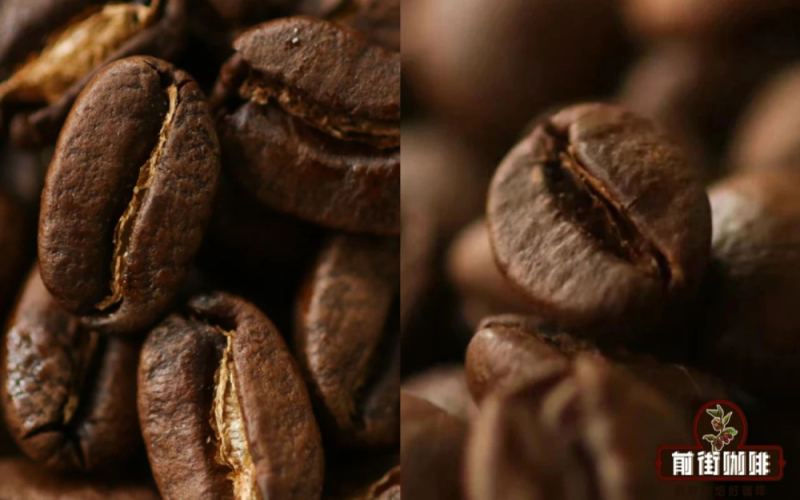
Does Yirgacheffe Belong to Arabica? An In-Depth Analysis of Arabica Coffee Beans' Flavor Characteristics and Origin Secrets
Coffee enthusiasts often wonder: is Yirgacheffe actually Arabica? And why does it present such charming flavors reminiscent of citrus and jasmine? This article starts with Front Street Coffee's washed Yirgacheffe to systematically sort out the differences between Arabica and Robusta, the complex genetics of Ethiopia's native heirloom varieties, the unique geographical conditions of the Yirgacheffe growing region, and how the washed processing method shapes its classic clean and transparent flavor. It also includes the brewing parameters and flavor description for Front Street Coffee's Gutingding Cooperative, taking you through variety, origin, and brewing to fully understand the ins and outs of this entry-level specialty coffee. [more…]
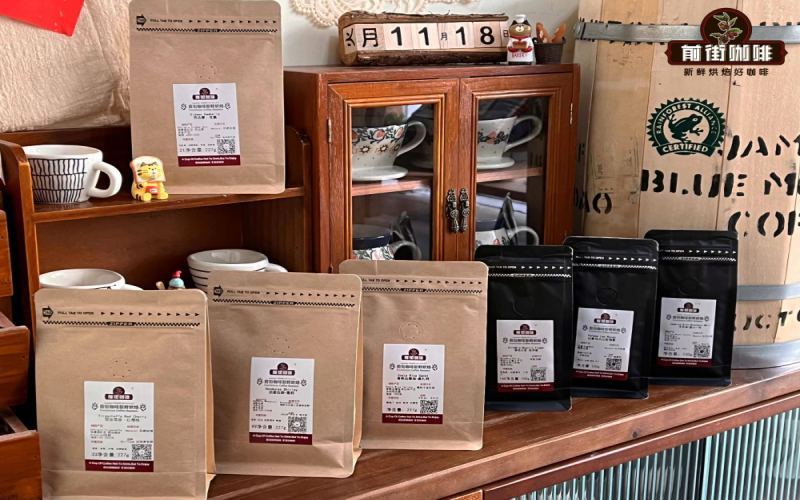
A Review of Six Iconic Coffee Regions Worldwide: Classic Arabica Flavors and Representative Bean Varieties
Coffee, cocoa, and tea are known as the world's three major beverages. Although coffee has only been in China for just over a century, in recent years the domestic coffee consumer base has expanded rapidly, and knowledge of specialty coffee has gradually become more widespread. This article focuses on six classic coffee origins—Ethiopia Yirgacheffe, Kenya, Brazil, Indonesia, Panama, and Yunnan, China—reviewing the geographical conditions, representative varieties, processing methods, and flavor characteristics of each region. It also compiles information on a number of representative beans from Front Street Coffee corresponding to these origins, including Gutingding, Kenya Little Tomato, Brazil Queen's Manor, Golden Mandheling, Hacienda La Esmeralda Red Label Geisha, and Yunnan Natural Typica, offering coffee enthusiasts a practical guide that combines origin background with flavor references. [more…]